 WeCult App
Backrooms TV Series Taps Gen Z's Deepest Digital Dread
A new TV series, **Backrooms**, is capturing the anxieties of a generation raised online. Diving into liminal spaces and isolation, it translates internet lore into a palpable horror experience.
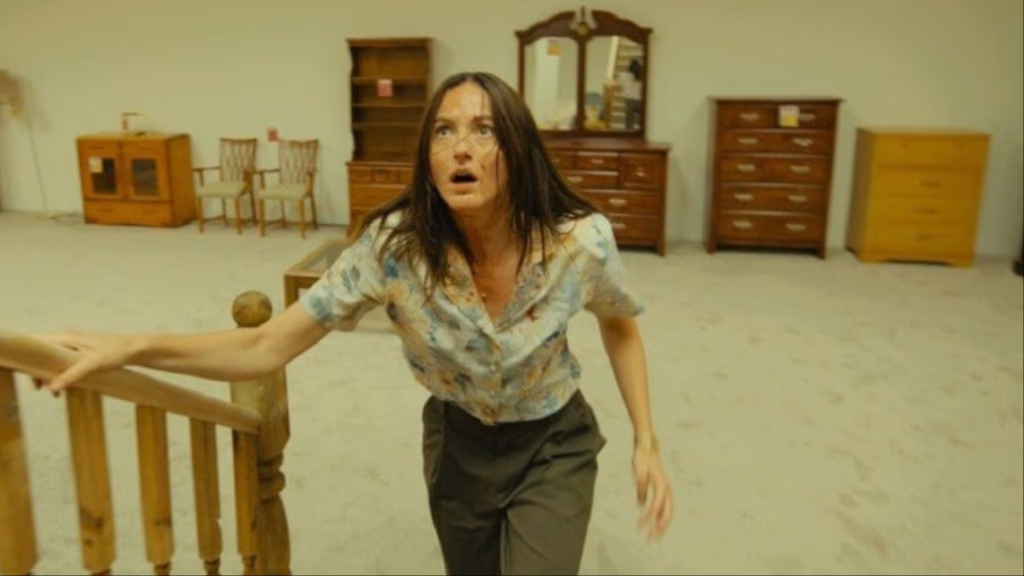
The digital ether, a place of infinite connection and profound isolation, has birthed a new kind of fear, and Backrooms is its most potent cinematic manifestation yet. This 2026 television series, an expansion of the viral online phenomenon, taps directly into the anxieties of Gen Z, a generation that grew up navigating the uncanny valleys of the internet. It's a world where forgotten digital artifacts and the unsettling emptiness of liminal spaces are not just aesthetic choices but the very fabric of dread.
At its core, Backrooms explores the feeling of being lost, not just in a physical sense, but existentially. The show’s creator, Kane Parsons (known online as Kane Pixels), has masterfully translated the collaborative creepypasta origins of the concept into a narrative that feels both deeply personal and universally resonant for those who've spent countless hours online. Influences ranging from the existential dread of Mr. Robot to the expansive world-building of Attack on Titan are evident, but Parsons’ unique vision, forged in the fires of YouTube’s creator economy, is what truly sets Backrooms apart. It’s a testament to how internet culture has become a breeding ground for compelling storytelling, moving beyond niche communities to capture the mainstream imagination.
The Internet as a Morgue
The show's premise, rooted in the idea of endless, sterile corridors and unsettling emptiness, mirrors a broader cultural fascination with 'dead things' and 'lost media' that thrives online. From chronicling failed fast-food experiments like the infamous Hula Burger to deep dives into defunct video games and abandoned theme parks, the internet has become a vast archive of the forgotten. This digital graveyard is where a generation has found not just nostalgia, but a unique wellspring of fear. Backrooms weaponizes this, turning the comfort of the familiar into a source of profound unease, making the abstract anxieties of online life terrifyingly concrete.
A Generation's Collective Nightmare
For fans who have followed the Backrooms lore from its 4chan origins to its current iteration, the series represents a significant moment. It’s the realization of a collective nightmare, brought to life with Hollywood production values. The show’s success in drawing young audiences to theaters, as noted in early reports, highlights its cultural impact. It speaks to an audience that understands the unique dread of infinite recursion and the unsettling feeling of being adrift in spaces that are designed but never truly finished. The series offers a powerful, if blunt, metaphor for the isolation and disorientation that can accompany a hyper-connected world.
What's Next
Details regarding future seasons and specific plot developments for Backrooms have not yet been officially announced, but the series’ strong debut suggests a promising future for this unique brand of internet-born horror on television.
This series is a fascinating case study in how internet-native horror, born from collaborative lore and platform-specific aesthetics, can successfully transition to mainstream television.
WeCult App
Track your series — all in one place
Follow releases, track progress, discover what matches your taste. Rate "Backrooms TV Series Taps Gen Z's Deepest…" on the app.
More Like This
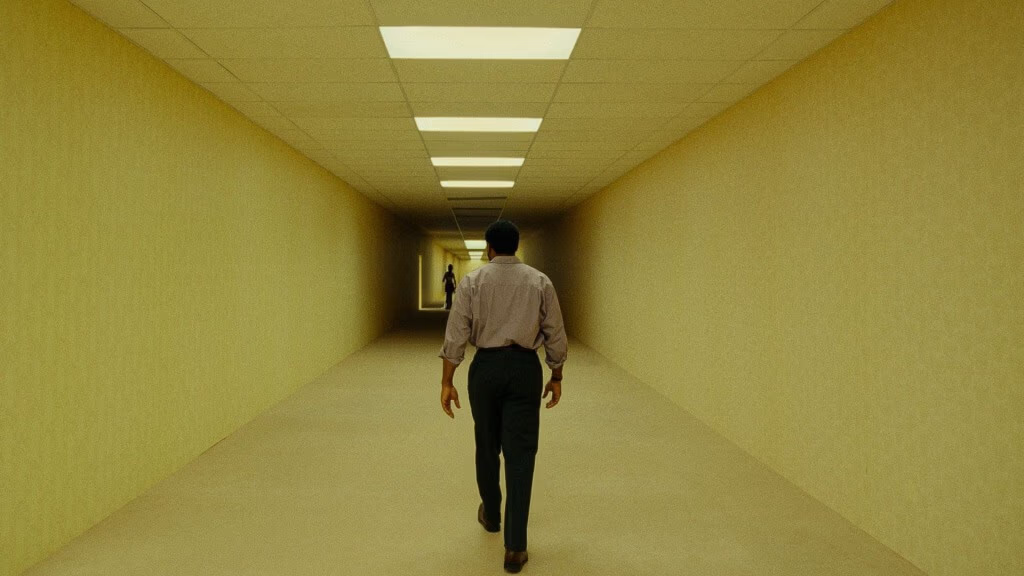
Backrooms Shatters Box Office, Outgrossing Star Wars Debut
A low-budget horror film adapted from an internet meme has stunned Hollywood, opening with a massive $81.5 million and beating the latest Star Wars installment. This unprecedented success highlights the power of viral content in the modern entertainment landscape.
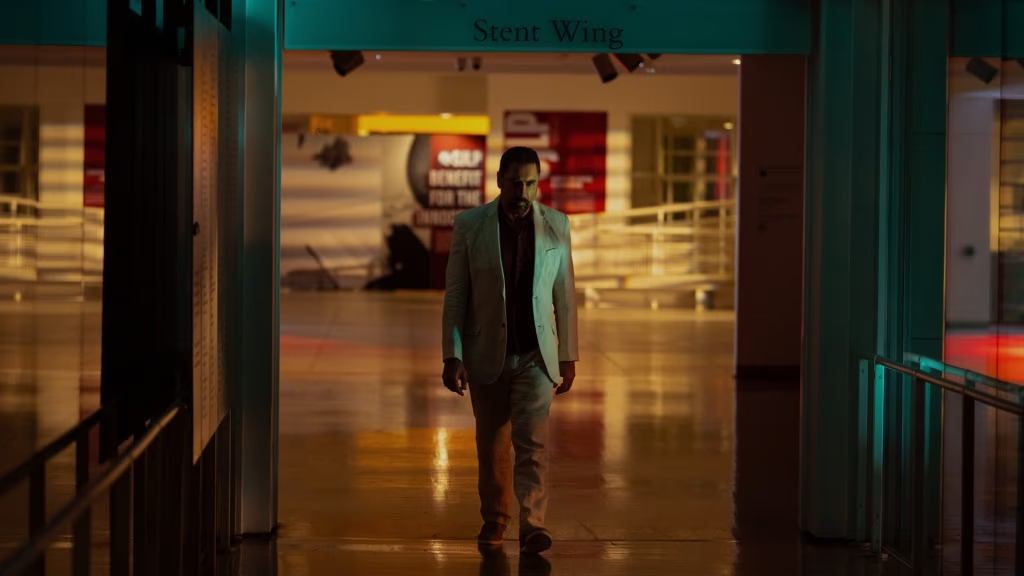
Cape Fear: Bardem's Max Cady Reimagines Terror for a New Generation
Apple TV+'s chilling new adaptation of Cape Fear trades the familiar male protagonist for a fresh, female-led perspective. Javier Bardem unleashes a terrifying new take on Max Cady, diving deep into the systemic flaws that fuel his revenge.

Netflix Drops 2026 Manga Adaptation Roadmap: Baki, Princess Knight & More
Get ready for a massive year of manga on Netflix! The streamer is doubling down on anime and live-action adaptations, with huge franchises and beloved classics on the horizon.