 WeCult App
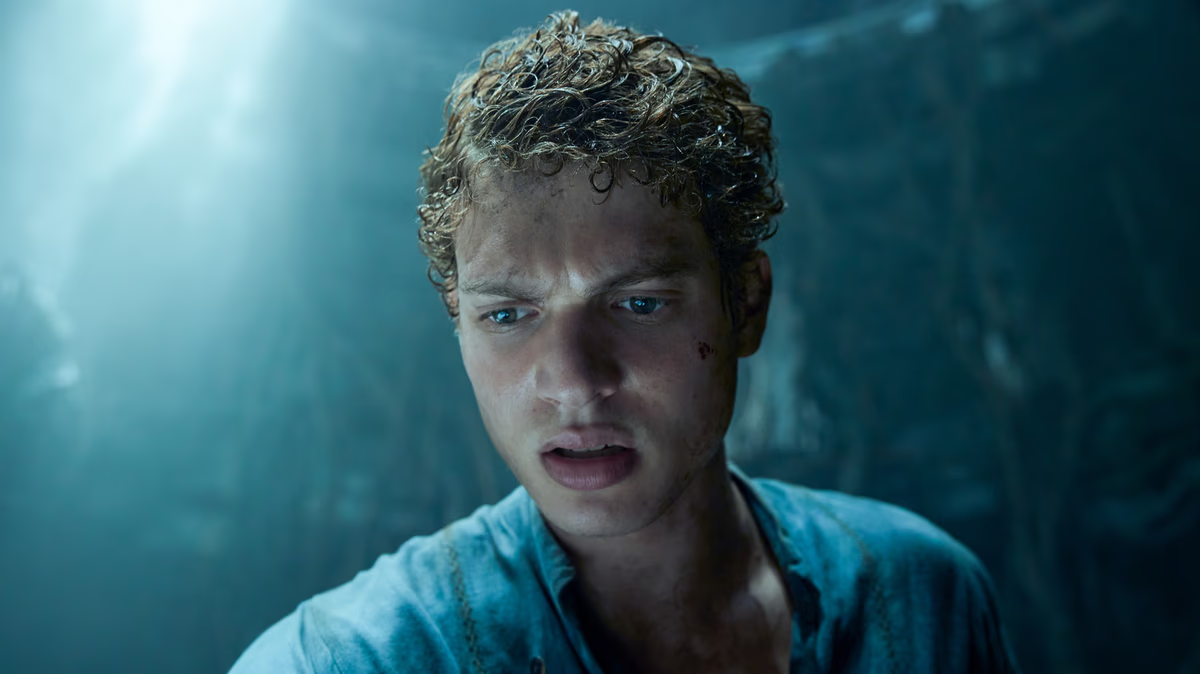
5 Reasons Why The Wheel of Time Series Finally Lost Its Magic
Amazon's ambitious adaptation of Robert Jordan's beloved fantasy saga has been officially cancelled, leaving fans heartbroken and questioning what went wrong. We break down the key factors behind the show's premature end.
The dream of seeing Robert Jordan's epic The Wheel of Time brought to life on screen has officially ended. Amazon Studios pulled the plug on the ambitious series in May 2025, leaving a void in the hearts of many fantasy fans and sparking widespread discussion about the show's ultimate fate. While the series promised a grand adventure filled with magic, prophecy, and a fight against ultimate darkness, its cancellation points to a complex web of issues that even the might of the One Power couldn't overcome.
The journey of The Wheel of Time from page to screen was always going to be a monumental task. Amazon Studios invested heavily, aiming to create a flagship fantasy series to rival others on streaming platforms. However, the series struggled to find its footing, facing criticism for pacing issues and character development that some felt didn't allow enough time for immersion. The intricate world-building, a hallmark of Jordan's novels, proved difficult to translate faithfully within the confines of a television season, leading to a disconnect for some viewers who craved the depth of the source material. The genre itself, while popular, may not have been broad enough to sustain the immense costs associated with such a high-fantasy production.
The Cost of Ambition
One of the most significant factors contributing to the series' demise was its astronomical production cost. Fantasy epics are notoriously expensive, demanding elaborate sets, intricate costumes, extensive visual effects, and a large cast. The Wheel of Time was no exception, reportedly costing hundreds of millions of dollars. This massive investment put immense pressure on the series to deliver blockbuster ratings and critical acclaim. Unfortunately, the viewership numbers and critical reception did not consistently meet Amazon's high expectations. The platform found itself in a precarious position, unable to bankroll multiple costly fantasy series that were not performing as hoped. This financial strain, coupled with other expensive misfires, ultimately led to tough decisions being made at the studio level.
Fan Disappointment and Shifting Tides
For the legions of fans who have cherished The Wheel of Time books for decades, the cancellation is a profound disappointment. Many expressed a desire for more faithful adaptations that honored the spirit and complexity of Jordan's work. While Rosamund Pike as Moiraine Damodred received praise, the adaptation's narrative choices and perceived deviations from the source material alienated some of the core audience. The series needed to capture both the existing fanbase and attract new viewers, a balance that proved elusive. The struggle to connect with a wider audience, combined with the financial realities, sealed the show's fate.
What's Next
With The Wheel of Time series officially cancelled, fans are left to wonder if another studio will dare to take on Robert Jordan's saga. For now, details about potential future adaptations have not yet been announced, leaving the fate of the Dragon Reborn uncertain.
The cancellation of The Wheel of Time highlights the perennial challenge of translating dense, beloved fantasy literature to the screen, especially when faced with massive budgets and evolving platform strategies.




WeCult App
Track your films — all in one place
Follow releases, track progress, discover what matches your taste. Rate "5 Reasons Why The Wheel of Time Series F…" on the app.
More Like This

He-Man's 1989 Film Drops on Prime Video Before 2026 Reboot
Before the highly anticipated 2026 reboot of Masters of the Universe hits screens, a beloved piece of Eternian history is making its way to streaming. Get ready to revisit the iconic 1989 film.
10 Superhero Films That Dared to Be Different
From groundbreaking animation to gritty realism, these superhero movies pushed the boundaries of the genre, proving capes and cowls can carry serious artistic weight.

10 Epic Fantasy Books That Shaped the Last 50 Years
From groundbreaking epics to genre-bending narratives, dive into the fantasy books that have captivated imaginations and defined the genre for half a century.