 WeCult App
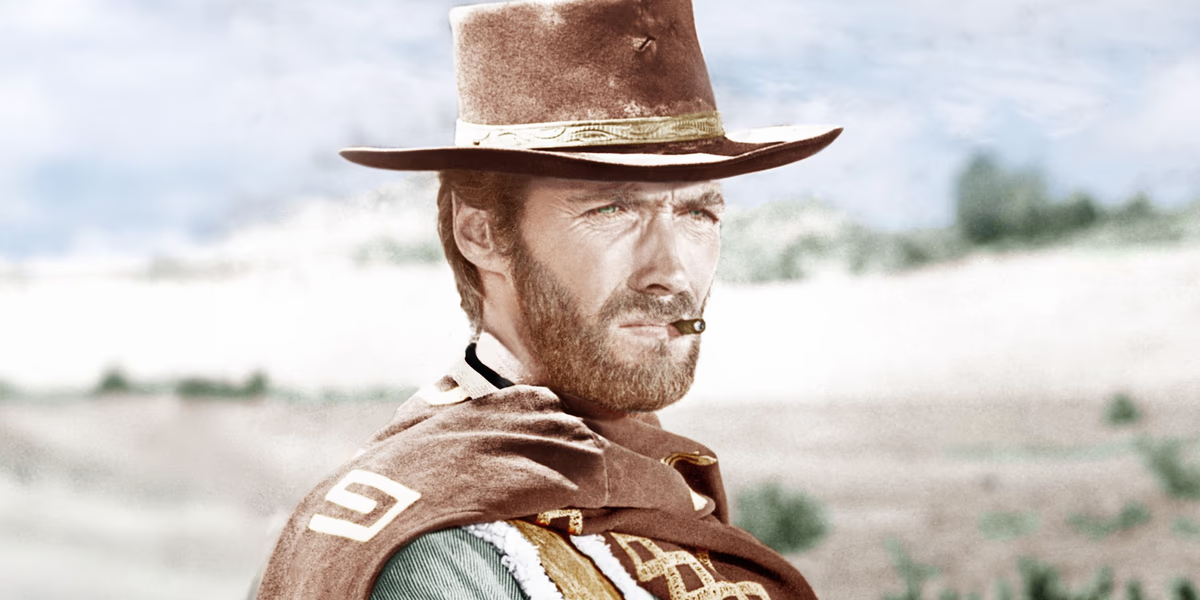
10 Western Endings That Still Echo Through Cinema
The final moments of a Western can be as legendary as any shootout. This list explores the most powerful conclusions from the genre's storied history.
The Searchers
John Ford's 1956 masterpiece delivers a haunting final image of Ethan Edwards (John Wayne) standing in the doorway, a figure of profound loneliness and moral ambiguity. This ending recontextualizes his entire journey, leaving audiences to grapple with the cost of obsession and the nature of belonging in the harsh frontier.
Unforgiven
Clint Eastwood's 1992 revisionist Western concludes with Will Munny (Eastwood) emerging from the mud and blood of a brutal shootout, a legendary killer reborn. The film deconstructs the myth of the Western hero, and its bleak, yet oddly satisfying, ending forces us to confront the true violence behind the romanticized tales.
The Good, the Bad and the Ugly
Sergio Leone's 1966 epic culminates in a tense, operatic standoff in a vast cemetery, set to Ennio Morricone's unforgettable score. Tuco's desperate search for Blondie, only to find him waiting, is a masterclass in suspense and betrayal, solidifying this film's place as a genre pinnacle.
3:10 to Yuma (1957)
This classic Western boasts an ending that is both a gut-punch and a testament to moral compromise. Dan Evans (Glenn Ford) escorts the charismatic outlaw Ben Wade (Richard Widmark) to the train, facing down Wade's gang in a final, desperate stand that challenges notions of honor and sacrifice.
Shane
George Stevens' 1953 film closes with the mysterious arrival and departure of the titular gunfighter, Shane (Alan Ladd). After a climactic showdown, Shane rides off into the valley, leaving behind a world he helped to save but can no longer be a part of, a poignant farewell that resonates with loss and heroism.
Once Upon a Time in the West
Ennio Morricone's score swells as Henry Fonda's chillingly villainous Frank dispatches his enemies, only for Charles Bronson's Harmonica to deliver his long-awaited, fatal revenge. The 1968 film's epic scope and operatic violence find their ultimate expression in this cathartic, yet somber, conclusion.
The Man Who Shot Liberty Valance
In John Ford's 1962 meditation on myth versus reality, the truth behind the legend of Ransom Stoddard (James Stewart) is revealed in the final moments. The poignant ending underscores the idea that sometimes, a beautiful lie is more important than a harsh truth in shaping a society's foundational myths.
No Country for Old Men
The Coen Brothers' 2007 neo-Western concludes with Sheriff Bell (Tommy Lee Jones) recounting unsettling dreams, reflecting on a changing world where evil is incomprehensible and unstoppable. The film's ambiguous and unsettling ending offers no easy answers, perfectly capturing its themes of fate and encroaching darkness.
The Treasure of the Sierra Madre
John Huston's 1948 classic sees greed consume its protagonists, leading to a tragic and ironic conclusion where the treasure is lost to the elements. The final scene, with Howard (Walter Huston) alone and laughing at the futility of it all, is a darkly comic commentary on human avarice.
Stagecoach
John Ford's 1939 landmark film ends with the triumphant, albeit uneasy, union of Ringo Kid (John Wayne) and Dallas (Claire Trevor) as they ride off into the sunset. This iconic image helped define the romantic ideal of the Western, offering a glimmer of hope amidst the genre's inherent dangers.
Bottom Line: The best Western endings aren't just conclusions; they're profound statements on the genre's enduring themes of justice, redemption, and the ever-shifting frontier.
These iconic Western finales showcase how a perfectly crafted ending can cement a film's legacy, offering profound thematic resonance long after the credits roll.




WeCult App
Track your films — all in one place
Follow releases, track progress, discover what matches your taste. Rate "10 Western Endings That Still Echo Throu…" on the app.
More Like This
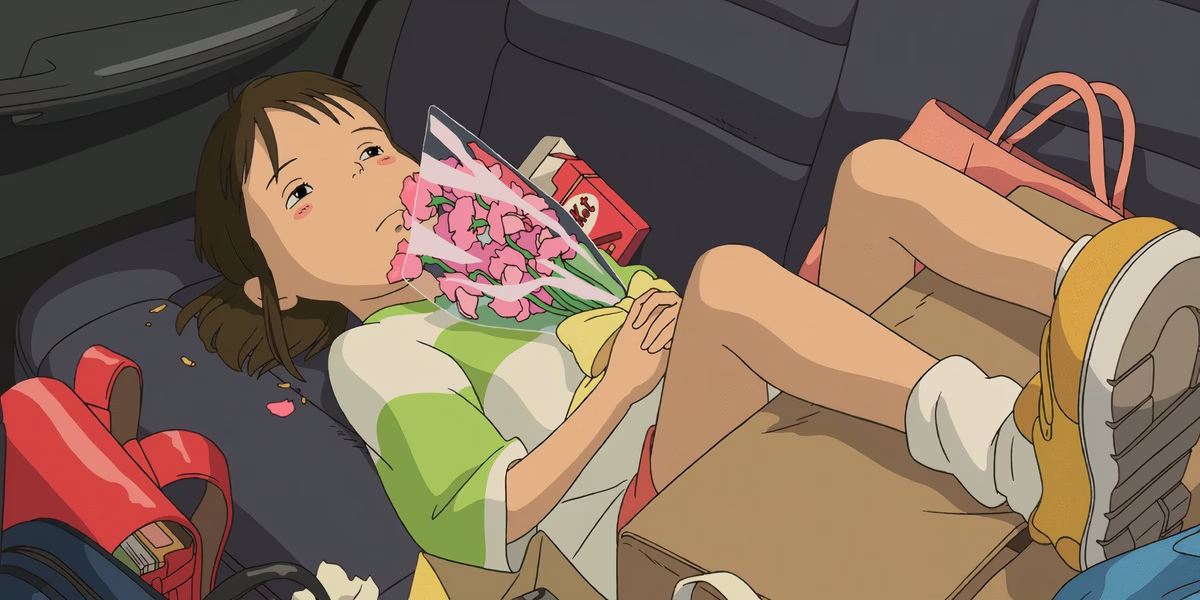
Is 'Spirited Away' Still the GOAT of Animated Films?
The debate for the greatest animated movie of all time is as passionate as ever. While classics like **Spirited Away** and **Toy Story** remain in contention, new contenders are constantly emerging, challenging the established order.
10 Novels That Defined the 90s — A Literary Time Capsule
Dive into the 90s through its most impactful novels. These books shaped a generation's worldview and continue to resonate today.
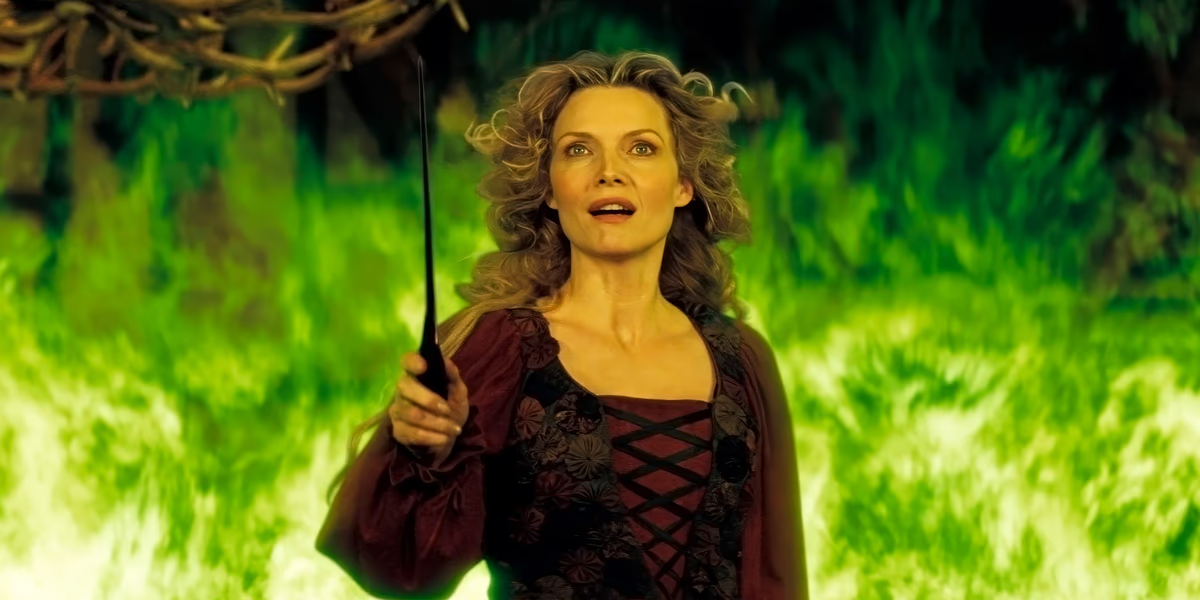
10 Epic High Fantasy Films From the 21st Century So Far
From sprawling secondary worlds to heroic quests, these high fantasy films offer pure escapism. Discover the 21st century's most magical cinematic journeys.