 WeCult App
Gen Z's '80s Nightmare: Why Liminal Horror Haunts Backrooms and Obsession
Two Gen Z-led horror sensations, **Backrooms** and **Obsession**, are tapping into a primal fear of familiar, yet unsettling, spaces. This trend reveals a generation grappling with a digitized past they never lived.
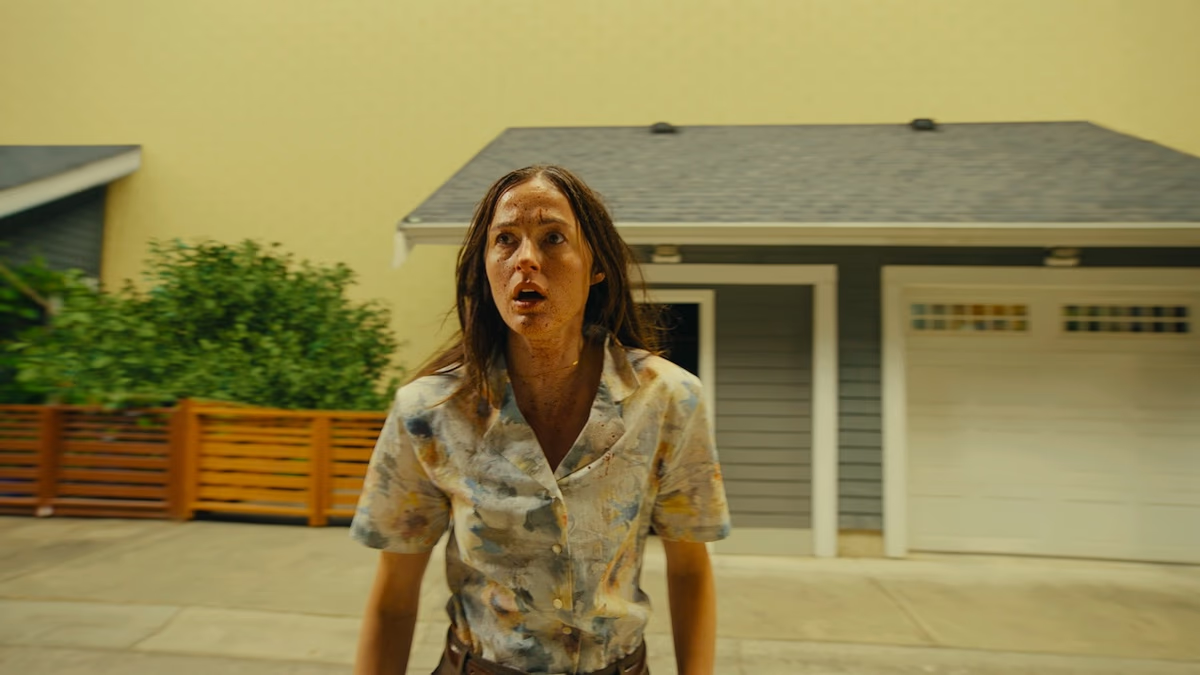
In a cinematic landscape increasingly dominated by Gen Z creators and audiences, a curious trend has emerged: a profound fear of the 1980s. This isn't about neon leg warmers or synth-pop anthems; it's about the unsettling, uncanny dread found in the aesthetics of a decade many of today's young adults never actually experienced. The recent box office success of Obsession and the highly anticipated Backrooms film exemplify this phenomenon, drawing millions of Gen Z viewers into worlds that feel both strangely familiar and deeply unnerving.
Directed by the remarkably young Kane Parsons, Backrooms (slated for 2026) taps into the internet's fascination with "liminal spaces." These are transitional, often abandoned, environments like empty shopping malls, deserted office buildings, or endless hallways that evoke a sense of unease and disorientation. While the film itself may be set in 1990, its horror is deeply rooted in '80s imagery – the sickly yellow and beige color palettes, the lingering presence of corporate spaces, and even specific cultural artifacts like an anti-apartheid T-shirt that becomes a source of terror. This isn't jump-scare horror; it's atmospheric dread, a feeling of being lost in an endless, empty expanse that was once designed for human connection and commerce.
The Uncanny Familiarity of Absence
The appeal of these liminal spaces, for Gen Z, lies in their "unfamiliar familiarity." These are places – or the idea of places – that their parents might have frequented, but which have largely faded from the modern landscape. Shopping malls, once vibrant hubs of social and consumer activity, have largely declined, and many of the commercial spaces that defined the '80s now stand as hollowed-out relics. The horror arises from the transformation of these aggressively playful and welcoming areas into something cold, foreboding, and empty. It’s the ghost of comfort, the echo of past activity in a present void. This resonates powerfully with a generation that grew up with the internet, a space that is itself a vast, often disorienting, and perpetually evolving liminal territory.
Echoes of '80s Dread
Beyond Backrooms, films like Obsession and even shows such as Stranger Things – with its killer animatronics and unsettling parallel dimensions – tap into a similar wellspring of fear. While Stranger Things actively engages with '80s nostalgia, Backrooms seems to derive its terror from the decay of that era's iconography. It’s a generation projecting its anxieties onto a past it only knows through filtered lenses and digital reconstructions. The fear isn't of the '80s themselves, but of the sterile, unsettling undertones that can be found within its aesthetic when divorced from its original context and imbued with a sense of existential loneliness. It’s a horror born from the digital age’s understanding of a physical world that no longer fully exists.
What's Next
As Backrooms gears up for its 2026 release, audiences can expect a deeper exploration of these liminal concepts. The success of both Backrooms and Obsession suggests that this brand of atmospheric, psychologically driven horror is here to stay, potentially influencing a new wave of filmmakers to explore the unsettling echoes of the recent past.
This analysis delves into the psychological underpinnings of Gen Z's fascination with '80s-inspired liminal horror, examining how nostalgia for a bygone era manifests as existential dread in contemporary cinema.
WeCult App
Track your films — all in one place
Follow releases, track progress, discover what matches your taste. Rate "Gen Z's '80s Nightmare: Why Liminal Horr…" on the app.
More Like This
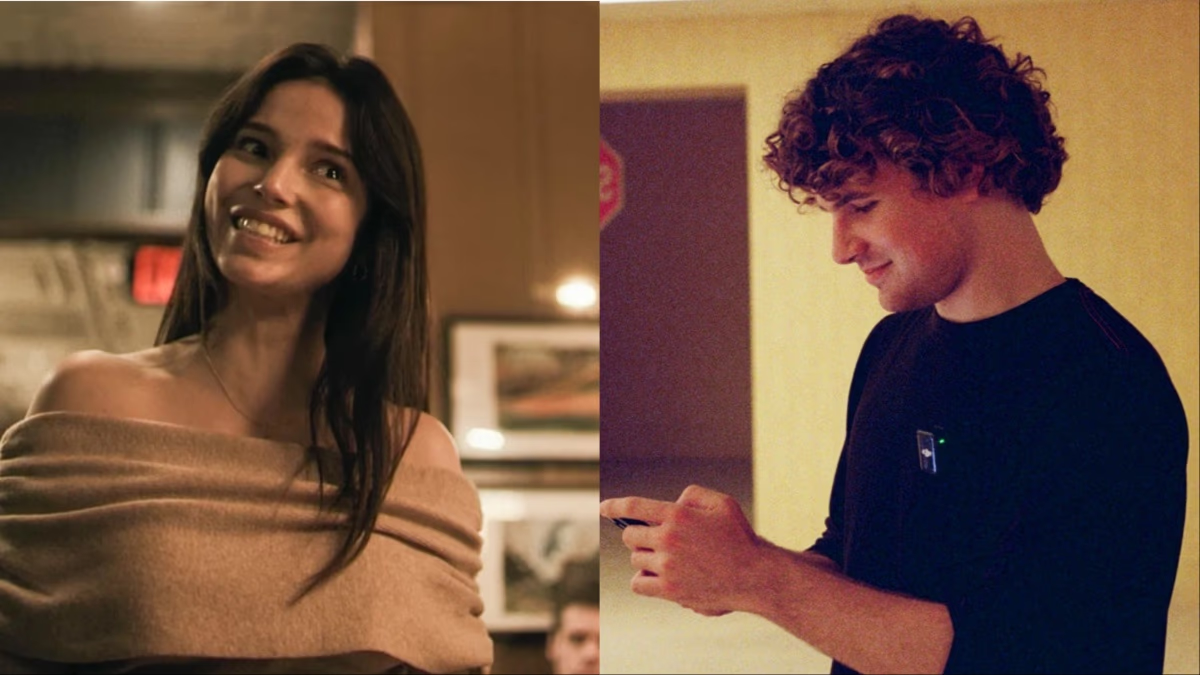
YouTube Sensation Kane Parsons Makes Hollywood Debut With Record-Breaking 'Backrooms'
A 20-year-old YouTube creator has stunned Hollywood by directing the number one film at the box office. His success signals a major shift in filmmaking talent.
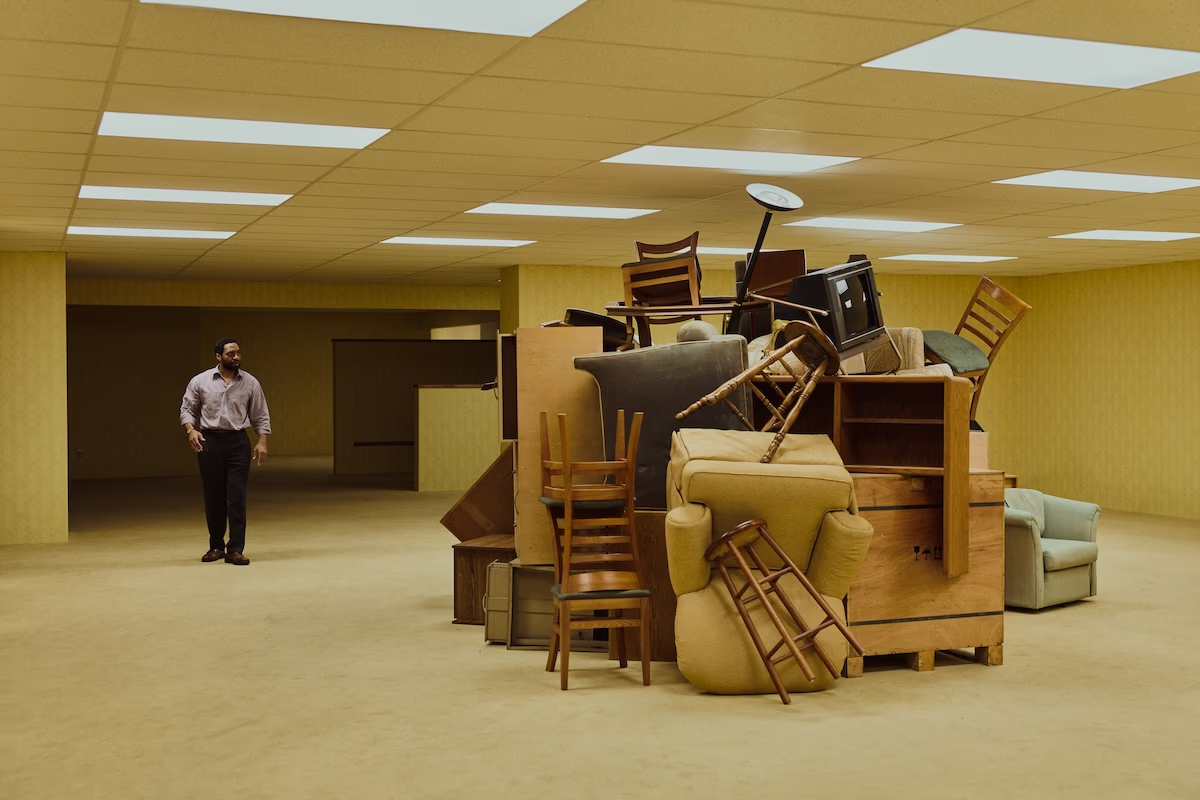
Backrooms: Is This AI's First True Horror Masterpiece?
A24's latest, **Backrooms**, isn't just another jump-scare fest; it's a chilling exploration of artificial intelligence through the unsettling lens of liminal horror. Director Kane Parsons crafts a unique dread that lingers long after the credits roll.

Spielberg's 'Disclosure Day' Trailer Finally Reveals Alien Creature
Steven Spielberg's highly anticipated sci-fi thriller 'Disclosure Day' has dropped its final trailer, offering the first clear glimpse of its extraterrestrial visitors. The footage teases a world-altering revelation that promises to redefine humanity's place in the cosmos.