 WeCult App
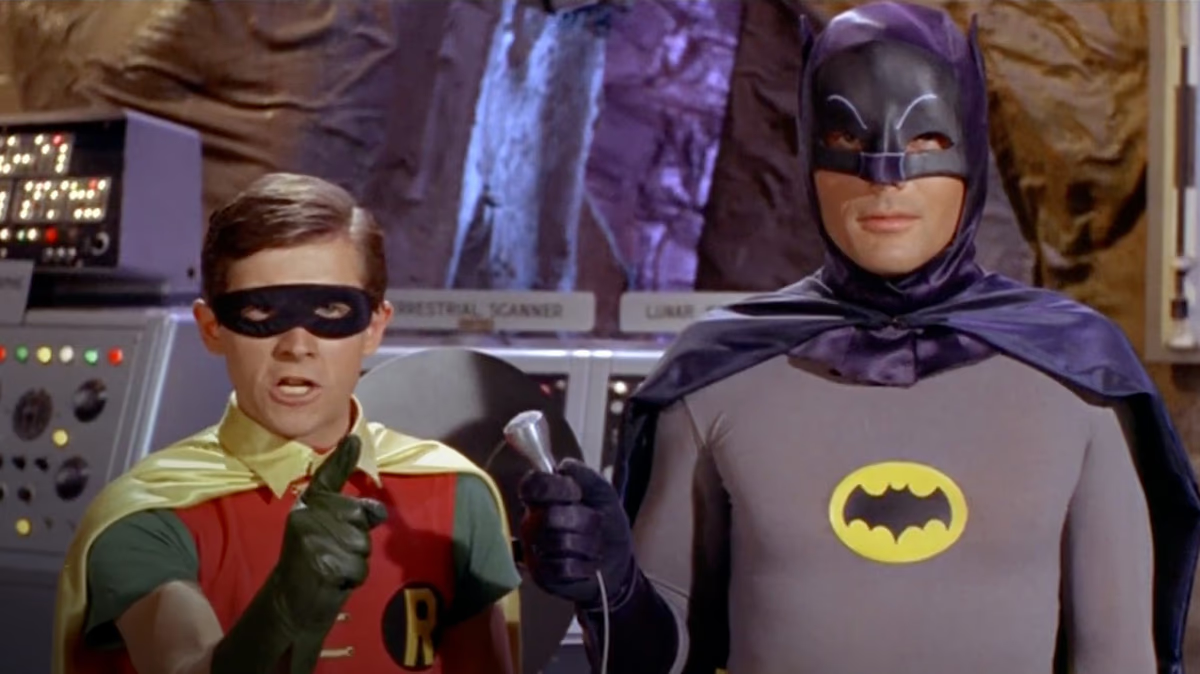
Why the '60s Batman Series Exists: A Tale of Unavailable Superheroes
The iconic 1960s Batman TV series almost didn't happen. A surprising legal loophole and the unavailability of other DC heroes paved the way for Adam West's Caped Crusader to hit the small screen.
In a world where superhero fatigue is a constant topic of discussion, it’s fascinating to look back at the very beginnings of televised caped crusaders. The vibrant, campy Batman series starring Adam West, which premiered in 1966, was a cultural phenomenon. But its existence, according to reports, was less about a burning desire to bring Batman to the masses and more about a strategic move by 20th Century Fox.
At the time, 20th Century Fox held the live-action television rights to the Batman character. However, the studio's interest in developing a series was reportedly sparked because the rights to other popular characters, such as Superman, were not readily available. This created a unique opportunity: if they couldn't get the Man of Steel, why not bring the Dark Knight to primetime? The show was produced by 20th Century Fox Television through William Dozier's Greenway/Greenlawn production company. This strategic acquisition meant that while Warner Bros. might have owned the characters in other capacities, Fox secured the specific rights needed for a television series, effectively carving out their own corner of the burgeoning superhero television landscape.
The Unseen Hurdles
It wasn't just about securing the rights to Batman himself. The journey of the 1960s Batman series from concept to screen was fraught with its own set of challenges, even after the initial rights were secured. For decades, despite consistent fan interest, the show remained in a sort of legal limbo, particularly regarding home video releases. This complex web of ownership and licensing meant that fans had to wait an extraordinary amount of time to own a piece of this television history. The fact that the show eventually found its way to audiences, and became the enduring classic we know today, is a testament to the persistence of its creators and the eventual resolution of these intricate legal entanglements.
Why This Still Matters to Fans
For fans of Batman and superhero television, this origin story is more than just trivia; it's a crucial piece of the puzzle that explains the show's unique tone and its enduring legacy. The series' campy, larger-than-life portrayal, while sometimes debated by modern audiences, was a direct product of its time and the specific circumstances of its creation. It proved that superhero stories could thrive on the small screen, paving the way for every superhero show that followed, from the gritty realism of The Dark Knight films to the interconnected universes of The CW and Marvel. The fact that Adam West's Batman became so beloved, despite the show's unconventional genesis, speaks volumes about the character's universal appeal and the creative team's ability to craft something special even under less-than-ideal circumstances.
What's Next
While the legal rights surrounding Batman properties have evolved significantly over the decades, the 1960s series remains a beloved classic. Fans eager to revisit this era can currently find the series available on various streaming platforms, offering a nostalgic trip back to a simpler, yet undeniably impactful, time in television history.
This deep dive into the rights issues behind the classic Batman series reveals how studio maneuvering and a bit of luck shaped television superhero history, offering a fascinating 'what if' for dedicated fans.


WeCult App
Track your series — all in one place
Follow releases, track progress, discover what matches your taste. Rate "Why the '60s Batman Series Exists: A Tal…" on the app.
More Like This
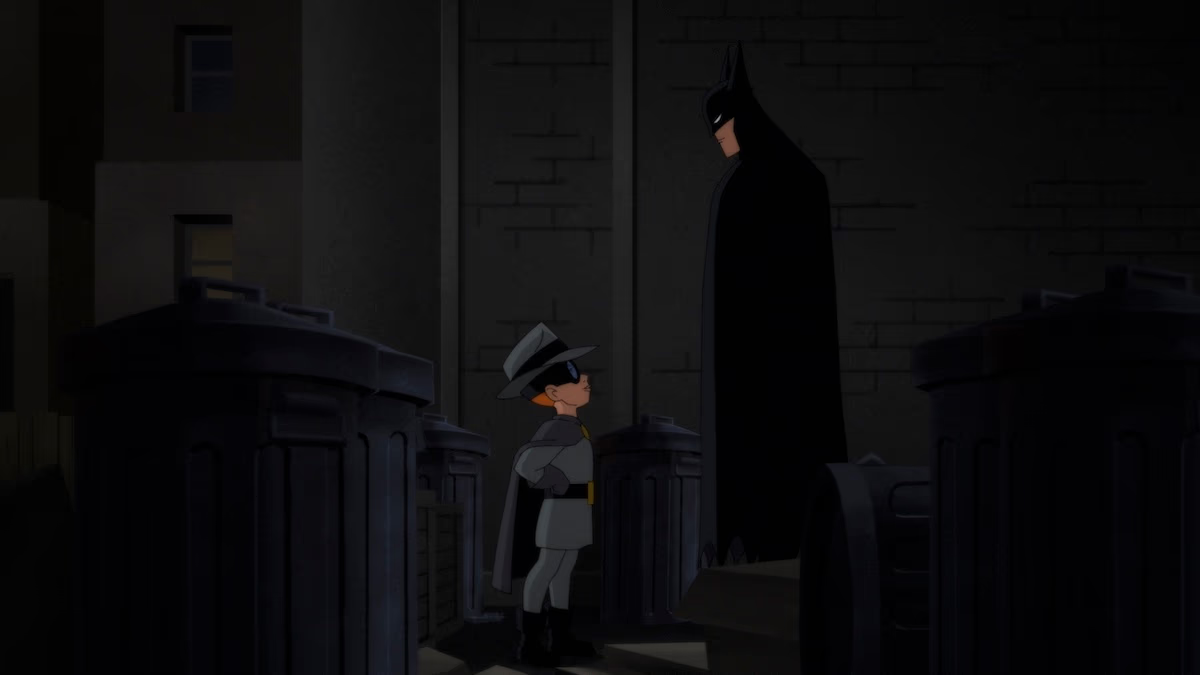
Batman: Caped Crusader Season 2 Merges Dark Knight Returns with Gray Ghost
The upcoming season of the acclaimed animated series will weave together elements from Frank Miller's iconic 'The Dark Knight Returns' and the beloved 'Batman: The Animated Series' episode 'Beware the Gray Ghost'. Get ready for a unique blend of Batman's future and his foundational inspiration.
7 Movies We Secretly Love Because They're So Bad
Dive into the glorious world of 'so bad it's good' cinema, where unintentional comedy reigns supreme. These films are cult classics for all the wrong reasons.
Only 3 Zelda Games Surpass Ocarina of Time's Legendary Status
Decades after its release, **The Legend of Zelda: Ocarina of Time** remains a benchmark for adventure games. Now, a new analysis suggests only a select few titles in the beloved franchise have managed to surpass its groundbreaking legacy.