 WeCult App
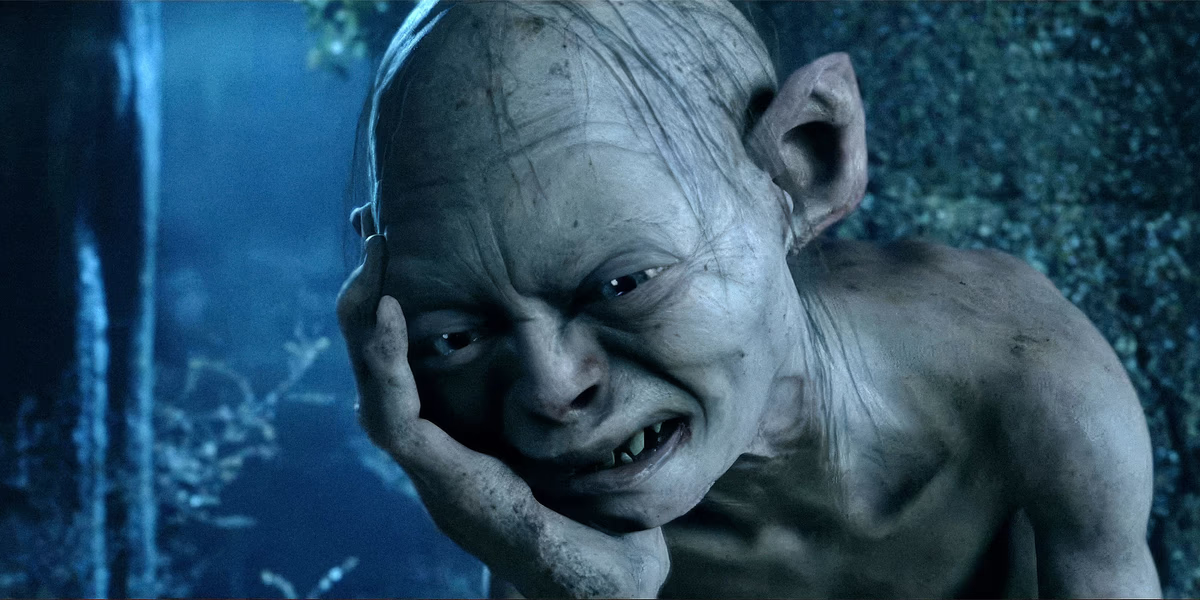
Only 3 Fantasy Films Outshine Lord of the Rings' Visuals
The Lord of the Rings trilogy set a new standard for fantasy filmmaking. Discover the rare few fantasy films whose visual effects have been deemed even more groundbreaking.
The Lord of the Rings Trilogy
Peter Jackson's monumental adaptation of J.R.R. Tolkien's epic didn't just bring Middle-earth to life; it redefined what was possible in cinematic fantasy. The seamless blend of groundbreaking CGI, intricate practical effects, and innovative motion capture, spearheaded by Wētā Workshop, created a world so tangible that its visual splendor remains breathtaking over two decades later. Its sheer scale and imaginative realization set an unparalleled benchmark.
Howl's Moving Castle (2004)
Hayao Miyazaki's whimsical masterpiece transports viewers to a world brimming with enchanting machinery and magical landscapes, all rendered with Studio Ghibli's signature hand-drawn artistry. The film's visual effects are not about photorealism but about conveying a dreamlike, organic beauty, most notably in the titular castle itself, which shifts and groans with a life of its own. Its unique charm and imaginative design offer a different, yet equally captivating, visual feast.
The Seventh Seal (1957)
Ingmar Bergman's philosophical masterpiece, while from a different era, possesses a stark, haunting visual power that transcends its time. The film's visual effects are less about spectacle and more about profound atmosphere and symbolic imagery, such as Death himself appearing as a cloaked figure. Its enduring impact lies in its masterful creation of a somber, unforgettable world that speaks volumes with its visual austerity.
The Wizard of Oz (1939)
Even by today's standards, the transition from sepia tones to vibrant Technicolor in The Wizard of Oz remains a stunning visual achievement. The imaginative set design, the fantastical creatures of Oz, and the iconic imagery like the Yellow Brick Road or the Emerald City showcase a pioneering use of color and art direction. It was a visual marvel that transported audiences to a world unlike any they had seen before, setting a high bar for fantasy visuals early in cinema's history.
Avatar (2009)
James Cameron's Avatar pushed the boundaries of CGI and 3D technology to create the breathtaking alien world of Pandora. The film's hyper-realistic rendering of flora and fauna, combined with the immersive motion capture performances of the Na'vi, created an unparalleled sense of presence and wonder. Its technological leap forward set a new standard for immersive visual storytelling in blockbuster cinema.
Pan's Labyrinth (2006)
Guillermo del Toro masterfully blended dark fantasy with historical drama, creating a visually rich and unsettling fairy tale. The creature designs, particularly the terrifying Pale Man and the Faun, are a testament to practical effects and imaginative artistry, seamlessly integrated with subtle CGI. The film's visual language is both beautiful and grotesque, crafting a world that feels ancient and deeply magical.
The Chronicles of Narnia: The Lion, the Witch and the Wardrobe (2005)
This adaptation brought C.S. Lewis's beloved world to the big screen with impressive visual effects, especially for its time. The depiction of Aslan, the majestic lion, was a significant achievement in CGI, imbuing the mythical creature with a sense of regal presence and life. The magical winter landscapes and the epic battle sequences further contributed to its visual grandeur.
Bottom Line: While The Lord of the Rings remains a titan of fantasy visuals, these films carved their own unique paths to cinematic magic.
This list dives into the enduring legacy of visual effects in fantasy cinema, challenging the dominance of a beloved trilogy.




WeCult App
Track your films — all in one place
Follow releases, track progress, discover what matches your taste. Rate "Only 3 Fantasy Films Outshine Lord of th…" on the app.
More Like This

He-Man's 1989 Film Drops on Prime Video Before 2026 Reboot
Before the highly anticipated 2026 reboot of Masters of the Universe hits screens, a beloved piece of Eternian history is making its way to streaming. Get ready to revisit the iconic 1989 film.
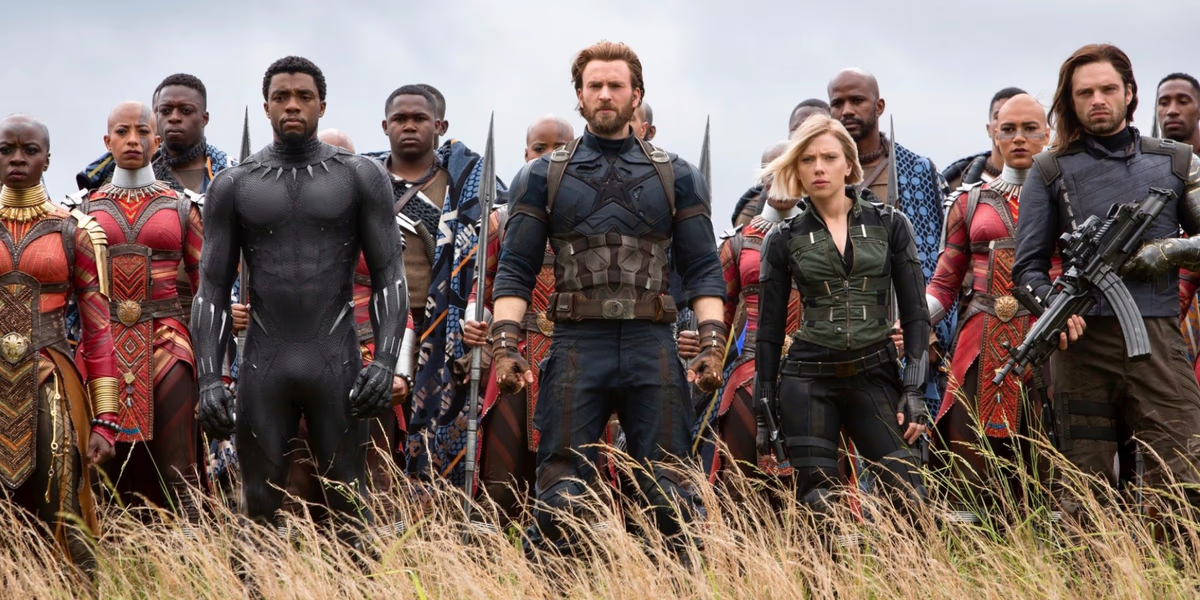
10 Superhero Films That Dared to Be Different
From groundbreaking animation to gritty realism, these superhero movies pushed the boundaries of the genre, proving capes and cowls can carry serious artistic weight.
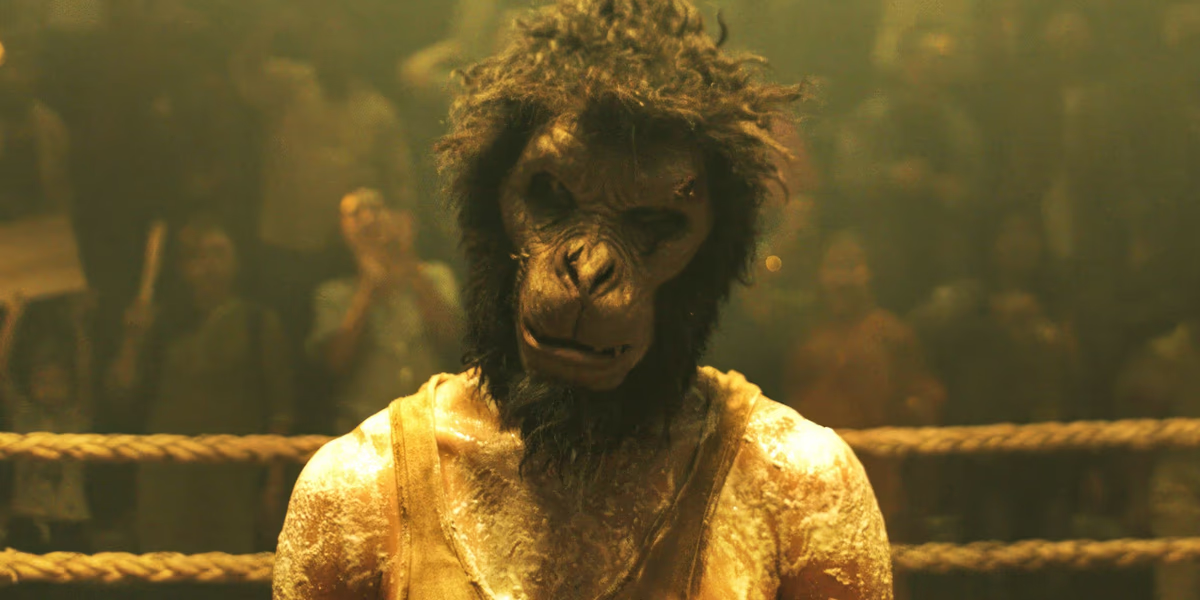
10 Jaw-Dropping Martial Arts Movies Dominating 2026
The 2020s are proving to be a resurgence for martial arts cinema, blending classic choreography with fresh narratives. This list dives into the films that are redefining the genre, offering both thrilling action and emotional depth.